
When I grow up, I want to be an evaluator
“When I grow up, I want to be an evaluator.” – No one, ever.
Evaluation isn’t exactly a childhood dream job. Not many children know what evaluation is, and in fact, most adults don’t either. Anyone who works in the field knows the difficulty of trying to explain what we do to those who spend little time thinking about government programs. And yet despite this underground, niche status, evaluation has a funny way of finding people. The “accidental evaluator” is common among our staff at ARTD, and in the evaluation community more broadly, and we believe it is one of the profession’s greatest strengths.
At last year’s AES conference in Canberra, Leah and I reflected on the wide range of educational and professional pathways that lead people into evaluation. When we looked across the qualifications our ARTD colleagues brought into the work, the biggest takeaway was variety: many different study areas and careers can lead into evaluation, often indirectly. This is quite different to many professions that have a linear path from degree to career.
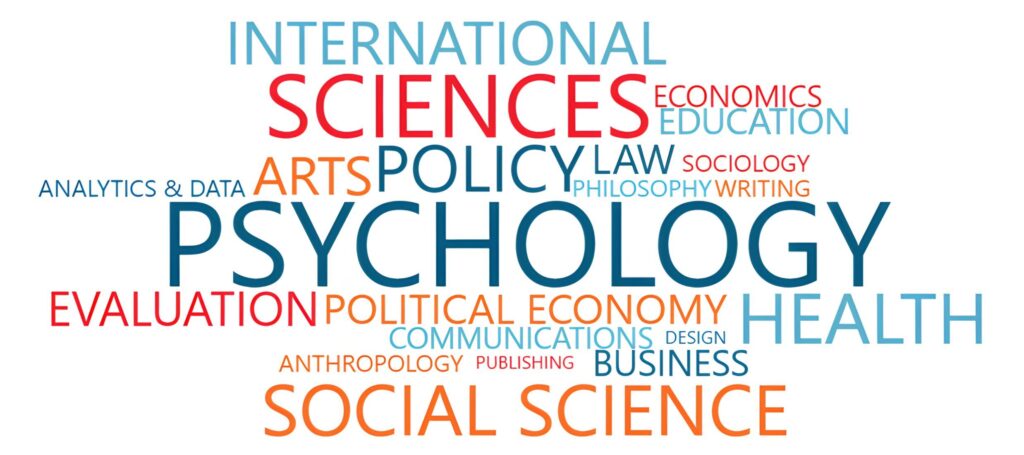
A mind map of the qualifications ARTD staff brought with them into evaluation.
This diversity of education backgrounds supports the work we do. It means we bring a mix of lenses to a project: research capability, data skills, policy insights, facilitation and communication expertise – the list goes on. However, this diversity does raise a fair question: if evaluators come from all different backgrounds, how do we know the work will be high quality? This gets to the heart of the professionalisation debate.
For decades, evaluators have discussed whether the field should be more formally professionalised. It is often positioned as a way to protect the integrity of the field by setting clearer standards and articulating competency requirements, therefore strengthening credibility with decision-makers. The truth is that, without formal qualifications, anyone can call themselves an evaluator, regardless of whether or not they have the skills do the work well. And poor-quality evaluations can cause real harm and erode trust in what robust, evidence-based evaluation contributes to policy decisions.
But the counterargument is equally important. Evaluation benefits from drawing on different disciplines and ways of knowing, and that plurality is often essential for understanding complex social programs where context, culture, and lived experiences determine how ‘value’ is defined. Rigid entry requirements may exclude people with non-traditional expertise and narrow what is considered legitimate evidence. If professionalisation becomes gatekeeping, the field could lose valuable perspectives, and social policy could be worse off as a result.
One way to lift quality without closing doors on diverse entry points is through voluntary credentialling. Leah and I are both currently studying the Master of Evaluation at the University of Melbourne, and we’re glad to be doing it. We feel it is strengthening our toolkit and refining our understanding of what good evaluation looks like. It is also helping us build confidence and a clearer professional identity as evaluators.
But voluntary credentialing is just one pathway among many. Qualifications tell you what someone has studied but say very little about what that person has lived, navigated, and carries into the room with them.
We tend to be a curious bunch, and true to form, we asked ARTD staff what unique skills or knowledge they bring to their work in evaluation from their many varied backgrounds. The answers were a reminder that evaluation isn’t only about method, it’s also about how well evidence can be gathered, interpreted, and used.
- Customer service and frontline roles: building the interpersonal skills that underpin stakeholder engagement, like rapport, listening, and handling sensitive conversations well.
- Public health training: understanding how data is interpreted and evidence is weighed.
- Political economy: thinking about the systems around programs – how decisions are made, how scarce resources are allocated, and how power and incentives shape what gets funded, delivered, and measured.
- Creative writing or journalism: supporting clearer, more persuasive reporting.
- Art and design: strengthening visual communication through infographics and accessible outputs.
So, while the field continues to debate professionalisation, a pragmatic position is worth holding onto. Because in our experience, evaluation is strongest when it’s not a solo pursuit: it is the mix of backgrounds, and the act of working collaboratively, that so often makes the work genuinely useful.
(This blog post only provides a summary of the professionalism debate. For a more thorough discussion, see this paper by Greet Peersman and Patricia Rogers).